Case Studies

Strategy-led outcomes, not surface-level design.

Every engagement starts with a business problem — not a design brief. These case studies show how strategic clarity translated into real-world momentum for founders and businesses at different stages.

Established Business Repositioning
01Composite case | B2B & Product Businesses

Established Business Repositioning

The Challenge

A well-established business had steady customers and a proven offering, but growth had stalled. Sales conversations dragged. Pricing pressure increased. The brand no longer reflected the maturity or quality of the business.

The Insight

The business had evolved—but the brand hadn't. Messaging reflected an earlier stage, forcing prospects to work too hard to understand the value. The gap between delivery and perception created friction at every step.

The Outcome

Clarified positioning, tightened messaging, and realigned the brand to the company's current reality. Sales conversations became shorter and more confident. Pricing resistance decreased. The brand began supporting growth instead of slowing it down.
Online Jewelry Store Repositioning
02Ecommerce | B2C Product Business

Online Jewelry Store Repositioning

The Challenge

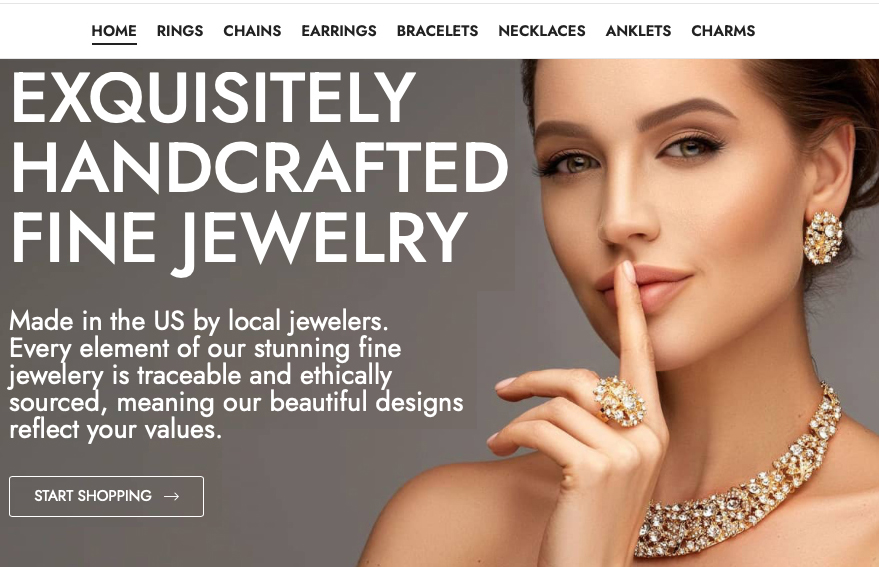
The online jewelry market is saturated with interchangeable products and look-alike brands. The shop offered quality pieces but struggled to stand out in a space dominated by mass production and price-driven competition.

The Insight

Competing on product alone was a losing game. The real value wasn't the jewelry—it was the people behind it. By shifting from 'another jewelry store' to a platform that elevated independent artisans, the brand could transform a transaction into a connection.

The Outcome

Repositioned the brand around handcrafted, one-of-a-kind pieces and direct artist storytelling. Customers felt like they were buying from the maker, not a faceless retailer. The brand stood apart in a saturated market while supporting small business artisans and creating emotional resonance mass-market competitors couldn't replicate.

Peer-to-Peer Equipment Rental Marketplace
03Founder-built marketplace | P2P Rental Market

Peer-to-Peer Equipment Rental Marketplace

The Challenge

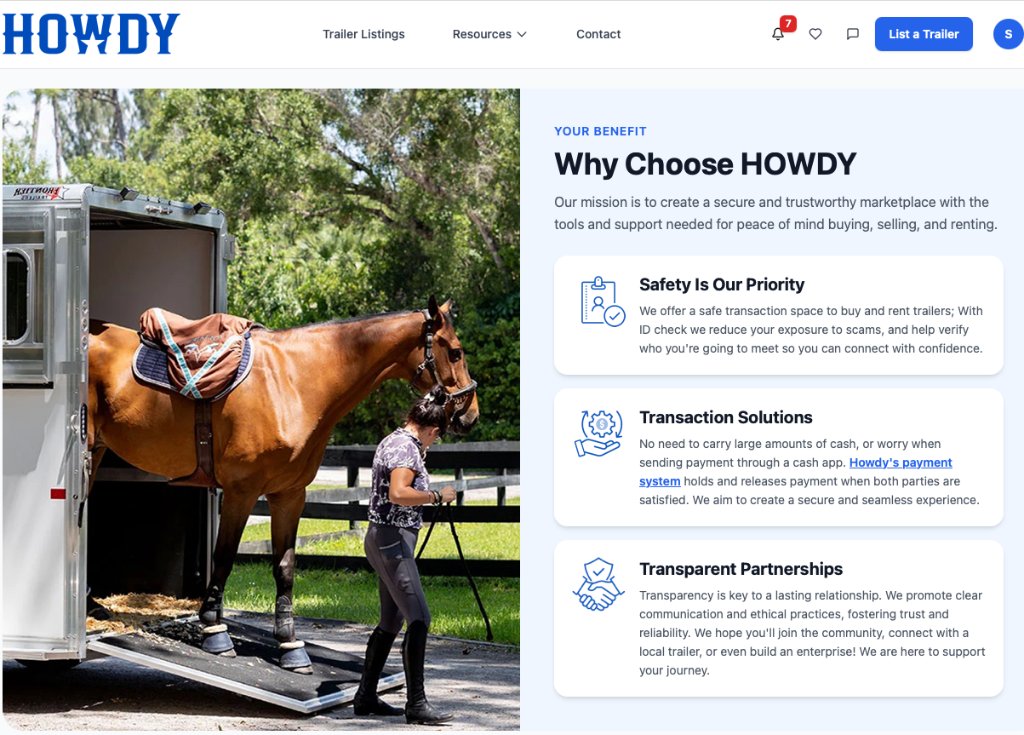
Launching a peer-to-peer rental marketplace requires strangers to trust each other with high-value equipment. Early traction existed, but listings felt inconsistent, messaging lacked authority, and users hesitated at the point of commitment.

The Insight

This wasn't a product problem—it was a trust problem. In marketplaces, credibility is the product. Every touchpoint needed to reduce perceived risk and reinforce legitimacy, especially for first-time users.

The Outcome

Clarified marketplace positioning, standardized listing presentation, and built trust-forward messaging across the platform. The brand shifted from 'scrappy startup' to 'legitimate marketplace,' improving user confidence and early-stage conversion.

Founder-owned craft company
04Product Brand | B2C E-commerce

Founder-owned craft company

The Challenge

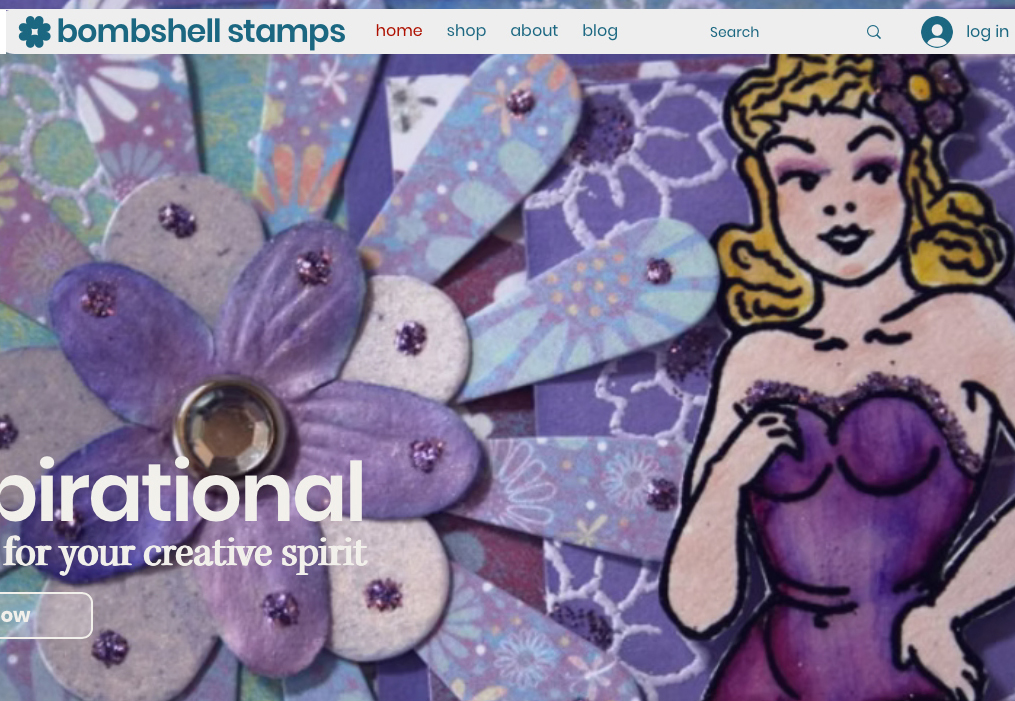
Rubber stamps were viewed as a low-value, commodity craft product. Competing brands focused on volume and price, leaving little room for differentiation or loyalty.

The Insight

The opportunity wasn't better products—it was reframing the category. By elevating rubber stamps into an artistic medium and designing for creative expression, the brand could attract devotion instead of price shoppers.

The Outcome

Built a distinct brand, product system, and visual language that helped redefine rubber stamp art as a creative movement. The company became an industry leader for over a decade, influencing design trends and customer expectations across the category.

Apparel & Product Brands
05Composite case | Fashion & lifestyle

Apparel & Product Brands

The Challenge

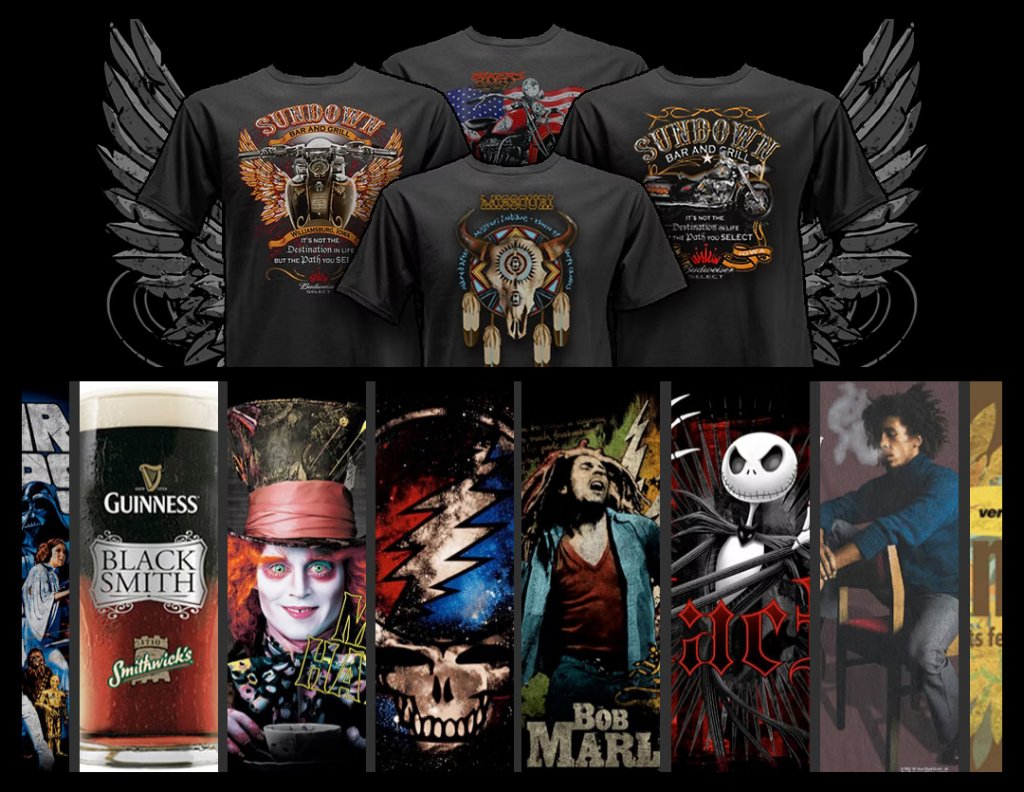
Many apparel and lifestyle brands had strong creative talent but lacked cohesion. Collections felt disconnected, brand stories were unclear, and customers struggled to articulate what made one brand different from another.

The Insight

The issue wasn't creativity—it was the absence of a system. Without a clear foundation, even strong design becomes noise. Successful apparel brands operate within constraints: a clear point of view, a defined customer, and a consistent narrative.

The Outcome

Helped brands clarify positioning, align collections to a core identity, and build scalable visual systems. The result: stronger recognition, cleaner marketing decisions, and a more confident market presence.

Our Approach

Every case follows the same logic.

1

Business context first

Understand the business model, stage, and real constraints.

2

Identify the real problem

Separate design symptoms from strategy issues.

3

Strategic insight

Surface the non-obvious truth that changes direction.

4

Key decisions

Define what to do — and what not to do.

5

Business impact

Measure success by clarity, confidence, and traction — not just visuals.

Ready to solve a real brand problem?

If your business is solid but the brand isn't pulling its weight, let's talk about what's actually holding it back — and whether strategy is the missing piece.

Start a Conversation